Light Bulb Love Connection Embroidery Review
As an embroidery designer who has spent years turning digital concepts into tactile brand assets, I look at every new file with a critical eye. We aren't just looking for pretty pictures; we are looking for viability, scalability, and brand alignment. When I first encountered the Light Bulb Love Connection Embroidery design, my immediate thought was not about home decor, but about retail potential. This piece is specifically tailored for Valentine S Day, yet its aesthetic transcends the holiday, offering a versatile tool for small business owners, Etsy sellers, and apparel decorators looking to add a touch of wit and warmth to their merchandise.
First Impressions: Professional Yet Playful
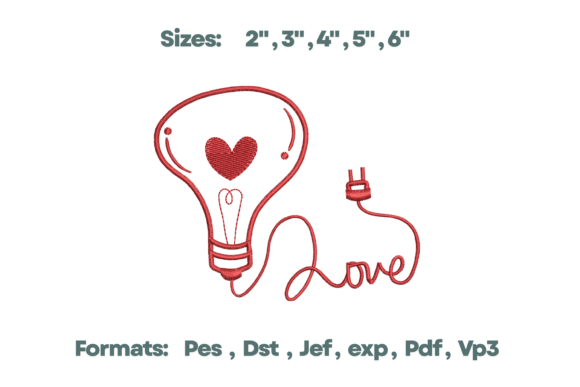
The title suggests a clever intersection of ideas and affection. Visually, the design promises clean line work paired with a vibrant red heart. From a professional standpoint, this combination is strategic. The "light bulb" motif signals innovation, ideas, or perhaps a spark of inspiration, while the heart anchors it in emotion. For a boutique, a creative studio, or a handmade shop, this duality is gold. It feels modern and minimalist rather than cluttered or overly rustic. The clean lines suggest that the digitization likely prioritizes clarity, which is essential when the design will be reproduced across dozens or hundreds of units.
This isn't just decorative; it communicates a brand personality that is bright, thoughtful, and approachable. Whether you are running a local café, a florist shop, or a pet brand, this design adds a layer of visual consistency that says your business pays attention to detail. It strikes a balance between being bold enough to catch the eye on a crowded shelf and subtle enough to serve as a sophisticated accent on professional uniforms.
Real-World Business Applications
In my experience, the true test of a machine embroidery design is how well it performs in production. Here is how the Light Bulb Love Connection Embroidery holds up across various commercial applications:
- Embroidered Patches: This design translates exceptionally well to iron-on or sew-on patches. The distinct shape of the light bulb allows for easy trimming and backing application. These make excellent additions to denim jackets, tote bags, or even laptop sleeves sold by handmade brands.
- Staff Uniforms and Aprons: For bakeries, cafes, or craft studios, adding a small chest logo creates a sense of team unity. The design’s simplicity ensures it remains legible on busy environments. It softens the corporate feel of a uniform without sacrificing professionalism.
- Cap Embroidery: The compact nature of the motif works beautifully on the front panel of caps. It offers a unique alternative to standard logos, appealing to customers who want something quirky yet polished.
- Tote Bag Design: A canvas tote featuring this embroidered patch style mark becomes an instant marketing asset. Customers wear these bags around town, extending your brand identity beyond the point of sale.
- Product Packaging Accents: Small business merch often relies on unboxing experiences. Sewing a tiny version of this design onto gift tags, hangtags, or fabric labels adds a premium, handmade product feel that customers appreciate.
Strategic Placement and Brand Identity
When integrating this digital embroidery file into your product line, consider where it sits relative to your other design assets. If your brand uses heavy serif fonts, this clean line work provides a nice contrast. If your branding is already very geometric, the organic curve of the heart might offer the necessary softness.
Using this design for small business merch can significantly impact customer trust and recognition. Consistency in quality and aesthetic builds confidence. A well-executed custom apparel item signals that you care about the details. Furthermore, because the theme touches on love and connection, it resonates emotionally with buyers, potentially increasing engagement and shareability on social media platforms.
Where Caution Is Required
Not every surface is created equal. While the design is strong, there are specific scenarios where it may struggle if not prepared correctly:
- Small Patch Sizes: If you intend to use this on very small items, such as keychains or tiny bottle openers, ensure the digitizer has kept the stitch count manageable. Tiny lettering or thin outlines can become muddy if scaled down too far.
- Curved Surfaces: Applying this to the curved front of a cap requires precise hooping. If the fabric pucks, the clean lines of the light bulb may distort, ruining the professional look.
- Dark Uniforms: On dark fabrics, the thread color contrast is paramount. Ensure the background of the design (if any) or the surrounding stitches provide enough contrast against the base fabric to maintain visibility.
- Frequent Washing: For items like aprons or work shirts that undergo industrial laundering, high stitch density areas must be backed properly. Without adequate support, the design may pull or warp over time.
Practical Designer Notes for Production
Before committing to a large run, follow these steps to ensure the finished product meets your standards:
- Test in Black and White: View the design file in monochrome. This helps verify that the spacing and density are sufficient for the machine to read the design clearly without relying on color perception.
- Check Stitch Density: High stitch density can make a garment stiff and uncomfortable. Review the underlay stitches to ensure they hold the fabric taut without distorting the grain.
- Thread Color Contrast: Select thread colors that pop against your target fabric. A vibrant red heart needs a contrasting background to stand out, especially on darker materials.
- Confirm Hoop Size: Ensure the design fits within your standard hoop sizes to avoid unnecessary re-hooping, which increases production time and risk of misalignment.
- Test on Real Fabric: Always run a sample on the actual material you plan to sell. Fabric texture can change how the threads lay. A design that looks perfect on polyester might behave differently on cotton twill.
- Create a Printable Mockup: Before cutting fabric, generate a printable mockup to show clients or stakeholders. This allows for approval on placement and scale before expensive materials are used.
- Verify Commercial Licensing: Most importantly, confirm the commercial embroidery rights. Ensure you are legally permitted to sell products made with this embroidery file.
Final Verdict
The Light Bulb Love Connection Embroidery design is a smart addition to any embroiderer’s library, particularly those targeting the Valentine S Day market or brands looking for year-round whimsical accents. Its clean aesthetic makes it suitable for a wide range of commercial embroidery projects, from tote bag design to apron embroidery. By paying attention to stitch density, stabilizer choice, and proper testing, you can leverage this design to create high-value, recognizable merchandise that strengthens your brand’s connection with customers. It is more than just a pattern; it is a statement of creativity and care, qualities that every successful small business strives to embody.