Lucky Season Embroidery Design Review
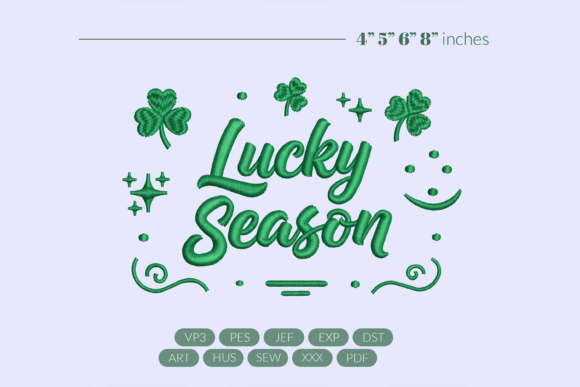
When I sit down to evaluate a new digital embroidery file, I am rarely looking for just "pretty." As a designer who frequently creates assets for clients and small business owners, I am looking for viability. Does this design hold up after ten wash cycles? Does the stitch density feel luxurious or cramped? Is the visual hierarchy clear enough to read from three feet away? Today, I am putting Lucky Season Embroidery Design under that same microscope. This piece promises a festive spirit with smooth script lettering and playful clover accents, but does it deliver on the practical front for St Patrick S Day collections?
I recently had the opportunity to test this design on several different substrates, ranging from heavy cotton canvas to soft jersey knits. The goal was to determine if this is a quick filler product for an Etsy shop or a centerpiece for a premium boutique line. Here is my honest assessment of how Lucky Season Embroidery Design performs in real-world application.
First Impressions: Mood and Visual Personality
The moment you open the file, the layout strikes me as balanced. The term "Lucky Season" suggests a celebration of luck, fortune, and perhaps the transition into spring, which aligns perfectly with the broader holiday context without being overly literal. The mood is light, approachable, and cheerful. It avoids the cluttered aesthetic that often plagues seasonal designs, opting instead for negative space that allows the eye to rest.
The script lettering is the star here. In my experience, script fonts are the most unforgiving elements in machine embroidery. If the kerning is off or the curves are too sharp, they can look jagged or break during stitching. Lucky Season Embroidery Design features smooth, flowing characters that suggest a high-quality digitization process. There is a confidence in the lines that translates well to thread. Paired with the playful clover accents, the design feels cohesive. The clovers are not overwhelming; they act as supportive graphics rather than competing elements. This balance is crucial for handmade products because it ensures the text remains legible while still conveying the theme.
Real-World Application: Where This Design Shines
So, where does this design fit best in your production workflow? I see immense potential in custom apparel and lifestyle accessories. Specifically, I envision this working exceptionally well on tote bag design projects. The clean lines of the script contrast beautifully against the textured weave of canvas or denim totes, creating a sophisticated yet casual look that appeals to the modern crafter.
For those running a craft business or managing an Etsy seller storefront, this design is versatile enough for sweatshirt embroidery as well. Placed on the chest of a cream or oatmeal-colored hoodie, the script pops without shouting. It feels like a garment someone would wear repeatedly, not just once for a party. That kind of longevity increases the perceived value of the finished product, which is exactly what buyers want when purchasing personalized gifts.
Baby items also present a strong use case. The playful nature of the clovers makes this suitable for baby embroidery projects, such as muslin blankets or bodysuits. When digitizing for infants, we always prioritize softness and simplicity. The stroke widths in Lucky Season Embroidery Design appear moderate, meaning it should stitch relatively softly against delicate skin, provided the correct stabilizer is used. It adds a touch of whimsy that parents love for nursery decor or holiday gifts.
Furthermore, this design translates well to kitchen textiles. An embroidered patch style application on a tea towel or apron could elevate a simple gift set. The phrase "Lucky Season" invites humor and warmth, making it a thoughtful addition to a hostess gift or a wedding favor. For commercial embroidery projects, the versatility of the theme allows it to bridge the gap between religious observance and secular celebration, widening your potential customer base.
Technical Considerations and Potential Pitfalls
While the design has many strengths, no single embroidery file is perfect for every situation. As an experienced reviewer, I must highlight areas where caution is required. First, consider the fabric texture. While this design looks stunning on smooth cottons and linens, it may struggle on highly textured fabrics like bouclé or thick terry cloth. The details in the script could get lost, leading to a muddy appearance in the final product.
Stretchy fabrics also demand careful handling. If you are applying this to a cap or a fitted tee, you need to ensure your hoop size and tension are calibrated correctly. Without proper stabilization, the smooth script may pucker, ruining the elegant flow of the lettering. I strongly advise testing the design on scrap fabric first, especially if you are using thin or lightweight materials. Thin fabric requires a cut-away stabilizer to prevent distortion, whereas woven fabrics might get away with tear-away depending on the density.
Another area to watch is stitch density. Although the exact stitch count is not provided in the source description, designers should always inspect dense stitch areas closely. High density can make a project feel stiff and uncomfortable, particularly on garments worn close to the body. If the fill stitches around the clovers are too packed, the item will lose its drape. Check whether the design works for both personal and commercial projects by reviewing the file properties in your software. Ensure the background color is neutral enough to allow for various thread colors, giving you flexibility in your thread colors selection.
Small details are another point of scrutiny. If you plan to reduce the scale of this design significantly for a tiny logo or a detailed corner placement, be aware that fine lines in the script may merge together. It is generally safer to keep this design at a readable size, typically 4 inches wide or larger, to maintain clarity. Also, consider dark fabric carefully. On black or navy backgrounds, you will need high-contrast thread choices to ensure the white or light-colored script stands out sharply.
Strategic Advice for Sellers and Makers
For those of you looking to turn this into a revenue stream, presentation is key. Since you cannot physically hand the product to an online buyer, your printable mockup needs to do the heavy lifting. Create mockups that show the design in natural lighting. Show it on a tote bag hanging on a shoulder, or on a sweatshirt folded neatly on a bed. This helps the customer visualize the finished product and builds trust in the quality of your work.
When listing this as a digital embroidery file or a physical handmade product, emphasize the versatility. Use terms like "custom apparel," "holiday embroidery," and "seasonal décor" to capture search traffic. However, avoid overpromising. Be transparent about the recommended hoop size and fabric types. If you are selling the digital asset, include clear instructions on stabilizer usage and thread recommendations. This level of detail reduces returns and negative reviews, which is vital for any small shop product.
Finally, always confirm licensing before selling finished items or digital products. Even if the design is purchased for personal use, commercial rights vary widely. Ensure you have the appropriate license to produce and sell goods featuring Lucky Season Embroidery Design. This protects your brand consistency and keeps your craft business compliant with intellectual property standards.
Final Verdict
Lucky Season Embroidery Design is a solid, well-executed asset for any embroiderer’s library. It captures the festive mood without being cliché, offering a clean aesthetic that works across a wide range of substrates. From tote bags to baby clothes, it brings a professional polish to everyday items. By paying attention to fabric choice, stabilization, and thread contrast, you can maximize its potential. It is a design that earns its place in a curated collection, ready to help you create memorable, high-quality pieces for your customers.