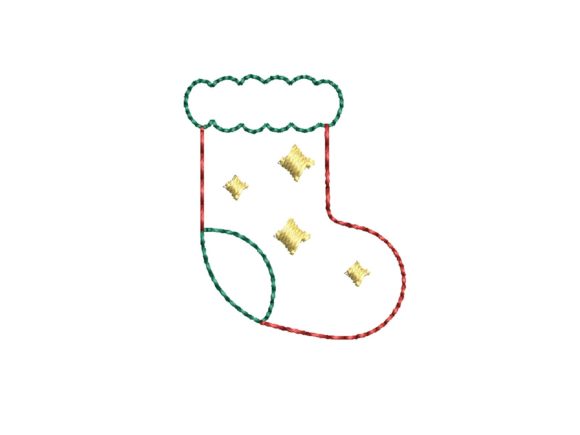
Small Christmas Sock Review
As an embroidery designer who has spent years refining designs for commercial production, I approach every new asset with a critical eye. The goal is never just "pretty"; the goal is profitability, durability, and brand alignment. When reviewing the Small Christmas Sock design, my primary focus was evaluating its viability for small business merchandise, branded patches, and uniform accents. This review breaks down how this digital embroidery file performs in real-world applications for Etsy sellers, boutique owners, and apparel decorators.
First Impressions: Visual Personality and Brand Fit
The title, Small Christmas Sock, suggests a compact, focused motif. In the world of machine embroidery, "small" is often a double-edged sword. It implies efficiency and lower thread usage, but it also demands precision. Based on the description provided—"This listing includes one design for machine embroidery. Get this amazing freebie and use it to create outstanding designs with it"—the asset positions itself as a versatile tool rather than a standalone masterpiece.
Visually, a sock motif inherently carries connotations of comfort, gift-giving, and holiday warmth. For a small business, this translates to a friendly, approachable aesthetic. It feels handmade and personal, which is crucial for building customer trust. However, because it is described as a "freebie," designers must be cautious. Free assets are often designed for decorative home decor (like a throw pillow) rather than commercial resilience. The first step in our evaluation is determining if the lines are bold enough to hold up under repeated washing or if they are too delicate for high-volume production.
Real-World Business Applications
The true test of any embroidery file is its adaptability across different product categories. Here is how the Small Christmas Sock design can function within a commercial workflow:
- Branded Patches: This design is ideal for creating iron-on or sew-on patches. A small sock motif works beautifully on denim jackets, backpacks, or tote bags. Because it is compact, it avoids the "cluttered" look that plagues larger, overly detailed designs when scaled down.
- Staff Uniforms and Aprons: For cafes, bakeries, or florists launching holiday promotions, this design offers a subtle seasonal touch. Placed on the chest pocket of a work shirt or the bib of an apron, it signals the holidays without overwhelming the staff’s professional appearance.
- Cap Embroidery: The curved surface of a baseball cap requires designs with clear definition. If the Small Christmas Sock has sufficient stitch density and clear outlines, it can serve as a charming accent on the front panel or side of a cap, appealing to customers looking for unique custom apparel.
- Tote Bag Design: Canvas totes are a staple for craft fairs and market stalls. A small, well-placed embroidered patch featuring this design adds perceived value to the bag, making it a desirable giveaway or upsell item.
- Product Packaging Accents: Beyond clothing, this design can be applied to kraft paper boxes, gift tags, or hangtags. Adding a physical texture to flat packaging elevates the unboxing experience, reinforcing a premium handmade product feel.
Strategic Placement and Risk Areas
Not every design element works everywhere. As a designer, I advise caution when applying the Small Christmas Sock to specific scenarios where detail loss is likely.
When scaling this design down for tiny applications, such as a miniature label or a dense cluster of logos on a sleeve, the fine details may merge into a blur. High stitch density can cause fabric pucker, especially on lightweight materials like thin polyester blends used in performance wear. If the design includes intricate lettering or very thin outlines, these elements may break during the embroidery process or fray over time.
Furthermore, consider the fabric texture. On highly textured fabrics like heavy wool or boucle, the definition of a small design will be lost. Similarly, dark uniforms require careful thread color selection. If the background is black and the design relies on light shading, you may need a backing stabilizer that alters the hand-feel of the garment. Always test on the actual final material before committing to bulk production.
Impact on Brand Identity and Customer Trust
Embroidery is tactile. Unlike printed graphics, stitches have depth and permanence. Using a cohesive design like the Small Christmas Sock across multiple touchpoints strengthens brand identity. Consistency in visual language tells customers that your business is organized and professional.
For Etsy sellers and digital file buyers, the quality of the design directly impacts buyer engagement. A polished, well-executed embroidery project looks more expensive and trustworthy than a sloppy one. By ensuring the Small Christmas Sock is digitized correctly—with proper underlay and clean edges—you signal attention to detail. This builds long-term loyalty, as customers associate the quality of the embroidery with the quality of your core products.
Practical Designer Notes for Production
Before integrating this asset into your commercial pipeline, follow these essential steps to mitigate risk:
- Test in Black and White: Convert the design to monochrome to check contrast and balance. If it lacks impact in grayscale, it will struggle in color.
- Check Small Patch Size: Simulate the design at its smallest intended size (e.g., 2 inches). Ensure no elements are so close together that they will fuse during stitching.
- Review Thread Color Contrast: Select thread colors that pop against your target fabric. Avoid low-contrast combinations that disappear after washing.
- Inspect Spacing and Density: Look for areas of excessive thread buildup. These can cause puckering or needle breakage. Adjust the digitization if possible to reduce unnecessary density.
- Confirm Hoop Size: Verify that the design fits comfortably within standard hoop sizes to maximize machine efficiency and minimize re-hooping errors.
- Test on Real Fabric: Never rely solely on screen previews. Stitch the design on the exact fabric type you plan to sell. Check for stability and finish quality.
- Create a Printable Mockup: Before producing inventory, generate a realistic mockup for client approval or marketing use. This helps visualize the final product.
- Compare Against Other Assets: Place the Small Christmas Sock next to your other design assets to ensure visual consistency across your brand palette.
- Confirm Commercial Licensing: Most importantly, verify the license terms. Since this is listed as a freebie, ensure you have explicit permission for commercial use. Unauthorized commercial application can lead to severe legal issues.
In conclusion, the Small Christmas Sock offers a promising foundation for seasonal commercial embroidery projects. Its compact nature makes it versatile for various merchandise types, from apron embroidery to tote bag design. However, success depends on rigorous testing and strategic placement. By treating this free asset with the same diligence as a paid premium file, small business owners can create high-quality, profitable holiday collections that resonate with customers and enhance their brand reputation.