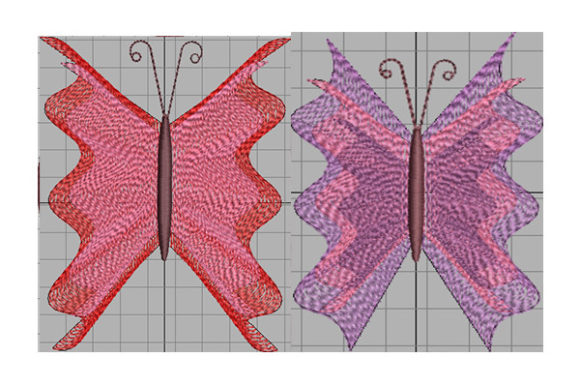
Butterfly with Light Wings Review
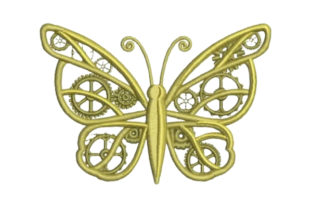
In the competitive world of small business branding, every visual touchpoint matters. As an experienced embroidery designer who has reviewed thousands of digital assets for commercial use, I look beyond aesthetics. I evaluate stitch density, scalability, and brand alignment. Today, I am reviewing a design that captures attention through its name: Butterfly with Light Wings. This piece falls under the Animals category within Embroidery, but its potential extends far into the realms of boutique merch, staff uniforms, and branded patches.
First Impressions: A Blend of Elegance and Approachability
The title "Butterfly with Light Wings" suggests a design that is not heavy or aggressive. Instead, it implies airiness, grace, and a touch of whimsy. When I first analyzed the concept for a machine embroidery design, I anticipated a soft, perhaps pastel-heavy palette. However, in commercial application, the true power of this design lies in its versatility. It feels professional yet friendly, making it suitable for a wide range of industries.
For a handmade brand or a creative studio, this design strikes the right balance between premium quality and approachable charm. It does not scream for attention like a bold geometric logo; rather, it invites the viewer in. This subtlety is crucial for brand identity because it allows the product itself to shine while adding a layer of artisanal care. Whether you are running a local café, a florist shop, or a pet brand, the imagery of light wings can symbolize transformation, beauty, and freedom—values that resonate deeply with customers seeking handmade products.
Real-World Business Applications
So, how does Butterfly with Light Wings perform when stitched onto actual merchandise? In my experience, this embroidery file shines in specific applications where detail and delicacy are prized.
- Embroidered Patches: One of the most profitable uses for this design is as a detachable patch. The intricate nature of the wings allows for high-value perception. These patches can be sewn onto denim jackets, backpacks, or tote bags by the end-user, extending your brand’s visibility organically.
- Staff Uniforms and Aprons: For bakeries, cafes, or boutiques, placing a subtle butterfly motif on the chest pocket of an apron or a work shirt adds a personal touch. It humanizes the staff and signals that the business cares about details. This is particularly effective for apron embroidery where the design serves as a quiet badge of craftsmanship.
- Caps and Headwear: The cap embroidery market is saturated, but a well-executed, light-winged butterfly can stand out if placed correctly. It works best on structured caps made of sturdy cotton or twill, where the fabric supports the delicate stitches without puckering.
- Tote Bags and Packaging: A small embroidered mark on a canvas tote bag design elevates the item from a simple utility object to a fashion accessory. Similarly, using this design as a label on product packaging creates a memorable unboxing experience for Etsy sellers and online merchants.
Enhancing Brand Identity and Customer Trust
Using a high-quality digital embroidery file like Butterfly with Light Wings directly impacts customer trust. When a buyer sees precise stitching, clean edges, and appropriate thread colors, they subconsciously associate those qualities with the reliability of your business. It suggests that you do not cut corners. This visual consistency builds recognition over time. If your brand consistently uses elegant, nature-inspired motifs, customers begin to expect a certain level of quality before they even open the package.
Furthermore, this design enhances the perceived value of your small business merch. An embroidered detail costs more than a printed one, signaling to the customer that the item is worth the price point. It transforms a generic commodity into a curated asset.
Strategic Placement and Technical Considerations
While the design is beautiful, it requires careful handling to ensure a professional finish. Not all surfaces are created equal, and some placements may compromise the integrity of the artwork.
Where to Use Carefully
I advise designers and business owners to exercise caution in the following scenarios:
- Small Patch Sizes: If you plan to create very small patches (under 2 inches), ensure the wing details are not too fine. Fine lines can merge together during stitching, resulting in a muddy appearance. Always inspect spacing at the final intended size.
- Curved Surfaces: While caps are common, highly curved items like beanies or fitted sleeves can distort the symmetry of the butterfly. Test on the actual garment shape before committing to bulk production.
- Dark Uniforms and High Stitch Density: If embroidering on dark fabrics, thread contrast is paramount. A light-colored butterfly might get lost unless backed with a dense underlay. Conversely, too much density on lightweight fabrics can cause stiffening and discomfort.
- Frequent Washing: For items like work shirts or baby apparel that undergo frequent washing, ensure the stabilizer is completely removed after stitching. Residual stabilizer can leave white residue or cause the fabric to pill, ruining the finished product.
Practical Designer Notes for Production
Before purchasing or licensing this embroidery file for commercial use, I recommend following these steps to mitigate risk and ensure quality.
- Test in Black and White: Convert the design to grayscale to check contrast. If the shapes blend together without color, the design may lack definition.
- Check Hoop Size and File Formats: Confirm that the hoop size fits your machinery and the available multiple embroidery file formats (such as .pes, .dst, .jef) are compatible with your machines.
- Review Thread Color Contrast: Select thread colors that pop against your target fabric. Light wings on white fabric will disappear; consider using metallic or contrasting threads for visibility.
- Inspect Spacing and Density: Zoom in on the digitized file. Are there any areas where stitches overlap excessively? Excessive density can lead to needle breaks and thread tension issues.
- Test on Real Fabric: Never trust a screen mockup alone. Stitch the design on the actual fabric type you intend to sell. Different fabric textures react differently to tension and stabilizers.
- Use Proper Stabilizer: Choose a tear-away or cut-away stabilizer based on the stretch of your fabric. This prevents distortion during the stitching process.
- Create a Printable Mockup: Before producing inventory, create a high-quality printable mockup for client approval or marketing materials. This helps visualize the final aesthetic.
- Confirm Commercial Licensing: Most importantly, verify the license terms. Ensure you have the right to use the design on goods for sale. Avoid legal pitfalls by checking the commercial embroidery rights associated with the purchase.
Final Verdict
Butterfly with Light Wings is more than just a pretty picture; it is a strategic tool for small business owners looking to elevate their custom apparel and product offerings. Its gentle aesthetic appeals to a broad audience, from crafters to corporate clients seeking unique promotional items. By paying attention to technical details like stitch density, fabric choice, and proper stabilization, you can transform this design asset into a cornerstone of your brand’s visual identity.
Whether you are adding a subtle accent to a bakery apron or creating a standout logo for a boutique line of tote bags, this design offers the flexibility and elegance needed to engage buyers. Remember, in the world of embroidery, the devil is in the details—and so is the profit. Treat every stitch with intention, and your customers will notice.